
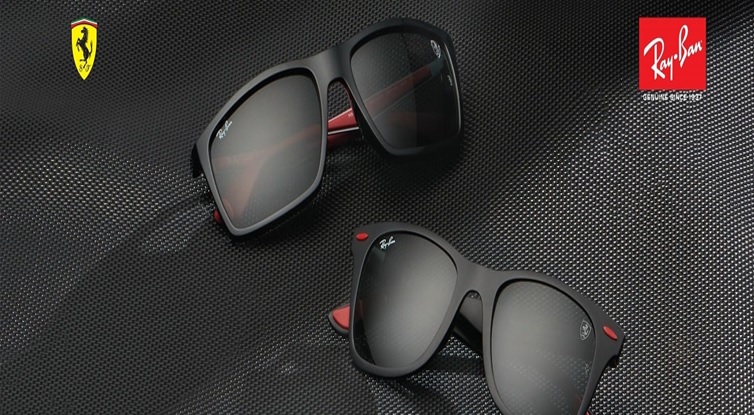
When two cultural icons come together, the results are rarely subtle. Formula 1 has long been associated with speed, glamour and international prestige. Ray-Ban, meanwhile, is synonymous with timeless eyewear design and pop culture cool. The collaboration between Ray-Ban and F1 the two is a striking example of how fashion and motorsport can merge, each amplifying the other’s identity while appealing to a new generation of fans.
Why Formula 1 is fertile ground for fashion
Formula 1 has never been only about the cars. From the moment the circus rolls into Monaco, Milan or Singapore, it becomes a showcase for luxury brands, celebrity appearances and headline-grabbing partnerships. Drivers themselves are part-athlete, part-style ambassador. What they wear in the paddock is photographed almost as much as what they do on the track.
This visibility makes F1 a natural partner for companies seeking both reach and resonance. Unlike traditional sponsorships that fade into the background, F1 collaborations feel more like cultural statements. They align brands with the precision, performance and adrenaline of the sport, all while tapping into a global audience that is passionate, loyal and increasingly style-conscious.
Where Ray-Ban fits in
Few eyewear companies carry the same cachet as Ray-Ban. With designs like the Aviator and Wayfarer, it has become shorthand for authenticity and confidence. Its history stretches back to the 1930s, yet it continues to reinvent itself without losing its core DNA.
The brand’s link to Formula 1 is more than a logo on a car or a driver’s race suit. It is about aligning two legacies built on performance and visibility. Just as a racing team tweaks aerodynamics and tyres to shave off milliseconds, Ray-Ban refines lens technology and frames to balance style with function. For fans, the partnership isn’t about technical similarities, but about shared values: clarity, precision and impact.
The Ferrari connection
The most visible element of the relationship is Ray-Ban’s partnership with Scuderia Ferrari. As one of the most celebrated teams in motorsport history, Ferrari represents tradition, passion and excellence. Seeing Ray-Ban emblazoned on the scarlet car is more than product placement; it is a declaration that eyewear belongs within the culture of performance.
Ferrari-inspired collections from Ray-Ban go a step further by taking cues from motorsport aesthetics. Think bold colours, lightweight materials and designs that nod to speed. These aren’t costumes for petrolheads, but wearable fashion pieces that subtly carry the thrill of the circuit into everyday life.
Why fans care
Some might dismiss brand collaborations as marketing exercises, but the popularity of Ray-Ban’s F1-inspired ranges suggests otherwise. Fans today want to wear their allegiance in a way that feels stylish and authentic, not kitsch. A pair of sunglasses designed with Ferrari in mind offers just that — a piece of merchandise that works as well on the high street as it does in the grandstand.
This shift is part of a broader trend in sports fashion. Supporters don’t want bulky replica shirts for occasional use; they want items that slip naturally into their wardrobes. Ray-Ban’s positioning within F1 acknowledges this desire and meets it with credibility.
Beyond the track
The influence of Formula 1 is growing outside its traditional circles, thanks in large part to streaming coverage and social media. The Netflix series Drive to Survive has pulled back the curtain, making drivers household names even for those who never watched a Grand Prix before. Suddenly, the style choices of Charles Leclerc or Carlos Sainz are as closely scrutinised as their lap times.
This cultural shift gives Ray-Ban even greater relevance. A driver photographed in Ferrari-red sunglasses isn’t just endorsing a product; he is shaping how the sport is perceived by a new generation. For many young fans, Formula 1 is no longer a niche interest but part of their cultural diet — alongside fashion, music and film.
Style meets performance
What makes Ray-Ban stand out in this space is its ability to balance heritage with innovation. The company doesn’t abandon its classic designs but adapts them for new contexts. Polarised lenses improve clarity in bright conditions, while lightweight frames ensure comfort — features that matter to both drivers and spectators enduring long days in the sun.
This balance mirrors Formula 1 itself, which fuses tradition with relentless innovation. Just as the sport evolves year on year with advances in engineering and technology, Ray-Ban continuously updates its offerings to remain contemporary while holding onto its iconic appeal.
The collaboration between Ray-Ban and F1 shows no sign of slowing. As motorsport continues to expand its reach into new markets, from the streets of Miami to the night lights of Las Vegas, the demand for lifestyle-led partnerships will only grow. Brands that can connect both visually and emotionally with fans will be the ones that endure.
Ray-Ban has placed itself in exactly that position. By rooting its presence in both the spectacle of the race and the subtler realm of everyday style, it has carved out a unique lane in the world of sporting partnerships.
At its core, this relationship is about more than sponsorship: it reflects how sport and fashion feed into one another. Formula 1 lends Ray-Ban speed and intensity, while Ray-Ban gives Formula 1 an everyday relevance beyond the circuit. The result is a partnership that feels less like advertising and more like culture in motion.
