
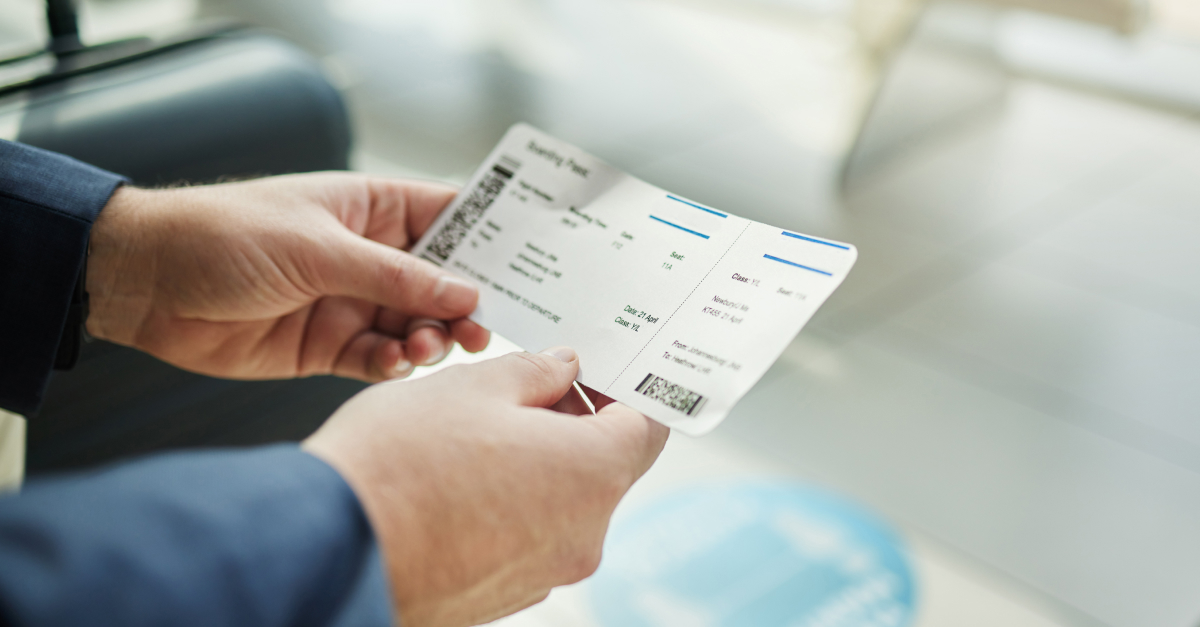
Traveling has become more accessible than ever, but navigating the world of Flights & Ticket options can still feel overwhelming. Prices change constantly, airlines use different fare classes, and even the time of day you search can influence what you pay. When someone books a flight without understanding how airline ticketing works, they often spend more than they need to or end up with restrictions they did not expect.
This guide explains how flight pricing works, what influences availability, and how to book strategically. Whether you travel occasionally or fly several times a year, the goal is to help you make confident decisions, avoid extra fees, and secure a comfortable travel experience.
How Airline Ticket Pricing Really Works
Airlines do not set ticket prices randomly. There is a structured system called yield management, which focuses on maximizing revenue from each flight. A single flight may have dozens of price points, all based on demand and timing.
Airlines divide seats into fare classes. These are not the same as cabin classes like economy or business. Instead, fare classes represent price categories within each cabin. The earlier the booking and the more flexible the traveler, the cheaper the fare class typically is.
Key Factors that Influence Ticket Prices
- Booking time: Prices often rise as the departure date gets closer.
- Travel season: Holidays, summer, and special events increase demand.
- Day of the week: Midweek flights are often cheaper than weekend departures.
- Time of day: Early morning and late-night flights tend to be lower priced.
- Seat inventory: Fewer seats remaining means fewer discounted fare classes available.
Passengers often assume price is based only on seat location, but the true driver is demand forecasting combined with historical selling patterns.
Understanding Cabin Classes and Fare Rules
Every ticket is associated with rules that determine what you can and cannot do with your reservation. These rules are often more important than the price itself.
Economy Class
This is the most common and typically the most affordable. However, economy has several tiers:
- Basic economy: Cheapest option, usually no seat selection and limited changes.
- Standard economy: Allows seat selection and some change flexibility.
- Flexible economy: More expensive but permits flight changes with reduced penalties.
Premium Economy
Offers more legroom, wider seats, and improved meal service. Good choice for long-haul flights when comfort matters but business class is not practical.
Business Class
Designed for comfort and productivity, with lie-flat seating on many international routes. It may include lounge access, priority boarding, and extra baggage allowance.
First Class
Available mostly on long-haul and luxury carriers, offering the most private and premium experience onboard.
When comparing flights, always review:
- Refundability
- Rebooking fees
- Restrictions on baggage
- Mileage or loyalty point eligibility
The Best Time to Book Your Flight
No exact formula works for every destination, but travel analysts observe general patterns.
Domestic Flights (within the same country)
The ideal booking window is usually between 30 to 60 days before travel. Booking too early can be as expensive as booking at the last minute.
International Flights
The ideal window ranges from 2 to 6 months ahead, depending on destination and season. Flights to Europe and Asia can fluctuate based on holiday calendars and tourism cycles.
When Searching Online
- Search for flights midweek in the early morning or late evening.
- Use price tracking alerts to catch drops.
- Be flexible with airports near your departure or destination.
The more flexibility you have, the more leverage you have in finding a competitive fare.
Choosing Departure and Arrival Airports Wisely
Some cities are served by multiple airports. Prices can vary greatly even within the same region.
For example:
- Smaller regional airports may offer convenience but fewer flights.
- Larger hub airports often provide lower ticket prices but require more time to navigate.
When comparing, consider:
- Travel time to and from the airport
- Ground transportation cost
- Airport security wait times
Sometimes, a slightly more expensive ticket from a closer airport ends up saving time and stress.
Baggage Policies and Add-On Fees
Airlines increasingly separate ticket prices from additional services. A ticket that seems cheap at first may become costly when baggage fees, seat selection charges, and food purchases are added.
Look carefully at:
- Carry-on bag allowance
- Checked bag fees
- Extra legroom seat cost
- Cancellation or change penalties
If traveling with family or for an extended stay, selecting a ticket that includes baggage can be more cost-effective than paying fees later.
How to Find Better Seats Without Paying Premium Pricing
Not all seat choices require extra spending. Many travelers miss opportunities simply because they do not know when seating options open.
Strategies to Get Better Seats
- Check for open seats at check-in time. Airlines sometimes release blocked seats 24 hours before departure.
- If the flight is not full, ask at the gate about available seating adjustments.
- Consider priority boarding only if you travel with carry-on luggage, as it allows easier overhead bin access.
Choosing the right seat can make a major difference, especially on long flights.
Loyalty Programs and Frequent Flyer Strategies
Most airlines belong to global alliances, allowing miles to be used across multiple carriers. Points are accumulated not only from flying but also from credit cards, shopping partners, and hotel programs.
Benefits of Joining a Loyalty Program
- Complimentary upgrades
- Free checked bags
- Access to premium check-in lines
- Rewards flights for future travel
Even occasional travelers should create a frequent flyer account. Unclaimed miles are valuable assets many people leave unused.
Real-World Scenario: Booking for a Vacation vs Business Trip
Different trip types call for different priorities.
Vacation Travel
Flexibility helps reduce cost. Consider:
- Flying midweek
- Flying to alternate airports
- Booking flights separated from hotel reservations to avoid bundled markups
Business Travel
Schedule reliability matters more than savings. Prioritize:
- Refundable or flexible ticket classes
- Direct flights to reduce risk of delays or missed connections
- Loyalty benefits that support comfort and productivity
Understanding your travel purpose leads to smarter decision making.
Frequently Asked Questions (FAQ)
Why do flight prices change so frequently during the same day?
Prices update based on real-time demand tracking. When several users search the same route, the system interprets it as increased demand and adjusts prices.
Is booking one ticket at a time cheaper than booking multiple tickets together?
Yes, in some cases. When multiple passengers are booked at once, the system must assign all seats in the same fare class. If only one discounted seat remains, the system will price all tickets at the higher fare. Searching individually can reveal better pricing.
Are early-morning flights always cheaper?
Not always, but very early flights tend to have lower demand. This often results in lower prices, although airports in major hubs may still show strong competition even for morning schedules.
Do airlines release last-minute discounts?
Rarely for popular routes, because most seats sell gradually. Last-minute deals are more common on routes with historically low occupancy, and they tend to be unpredictable.
Can travel credit cards really make flights cheaper?
Yes, but only if used strategically. Earning points through everyday spending can substantially offset travel costs, especially when combined with loyalty programs. However, carrying balances with interest reduces any savings.
