
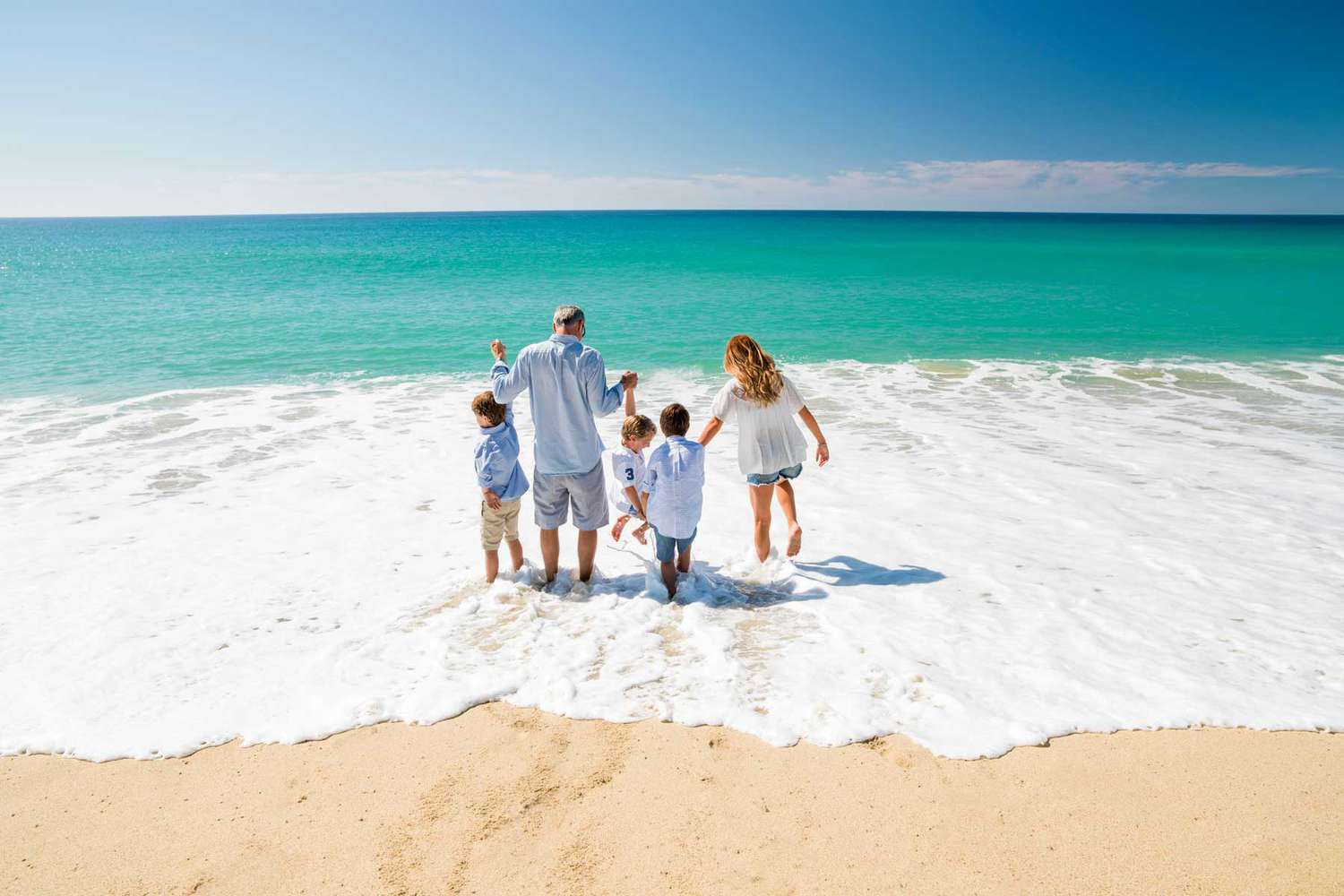
People take vacations for many different reasons, and the most meaningful trips are the ones that align with what a person needs at that moment in life. When the purpose is clear, the time away becomes restorative and memorable rather than rushed or tiring. Understanding your underlying motivation helps shape the destination, pace, and activities so you return feeling genuinely renewed.
1. Rest and Stress Relief
The most frequent purpose of a vacation is to step away from daily pressures. Constant work schedules, digital overload, and personal responsibilities can gradually increase stress without being noticed. A restful vacation provides space for the mind and body to reset.
Benefits include:
- Lowered muscle tension and improved sleep
- Reduced emotional fatigue
- Improved patience and mental clarity
- A calmer nervous system
This type of vacation usually involves quiet environments, slow mornings, and minimal scheduling.
2. Deepening Relationships
Vacations are one of the strongest ways to enhance personal bonds. Shared experiences build memories that last longer than material gifts. When people travel together, they communicate more, try new activities, and temporarily step away from distractions that may normally pull their attention away from one another.
This purpose is ideal for:
- Couples who want to reconnect
- Families wanting to strengthen unity
- Friends who want to rebuild closeness
The key focus is time together, not packing the day with nonstop activities.
3. Personal Reflection and Clarity
Sometimes, a person needs distance from routine to think clearly. A change of environment can shift perspective and help evaluate personal goals. Whether someone is considering a career move, relationship decision, or lifestyle change, stepping away can provide mental space to reflect without outside pressures.
Signs this type of vacation is needed:
- Feeling mentally stuck or uninspired
- Difficulty making decisions
- Desire for quiet, journaling, or contemplation
Calm environments, nature settings, and solo travel often support this purpose well. Activities that immerse you in nature, such as hiking, wildlife watching, or spending time on the water, can help clear your mind while creating lasting memories. For example, Tamarindo fishing charters offer an opportunity to disconnect from everyday distractions, enjoy the peaceful surroundings of the Pacific Ocean, and experience a rewarding outdoor adventure.
4. Exploration and Growth
Some travelers are motivated by curiosity. They seek new landscapes, flavors, art, music, and cultural experiences. This type of vacation expands awareness of the world and strengthens open-mindedness.
Examples include:
- Visiting historic sites
- Learning regional cooking styles
- Immersing into local festivals
- Engaging with art, architecture, and cultural history
These vacations are rich in movement, discovery, and conversation.
5. Celebration and Milestones
Vacations are also taken to mark meaningful life moments. Celebrating in a memorable setting enhances the emotional significance of the event.
Common examples:
- Anniversaries and honeymoons
- Birthdays or graduations
- Post-project recovery trips
- First trip after achieving a goal
The purpose is joy, recognition, and honoring growth.
