
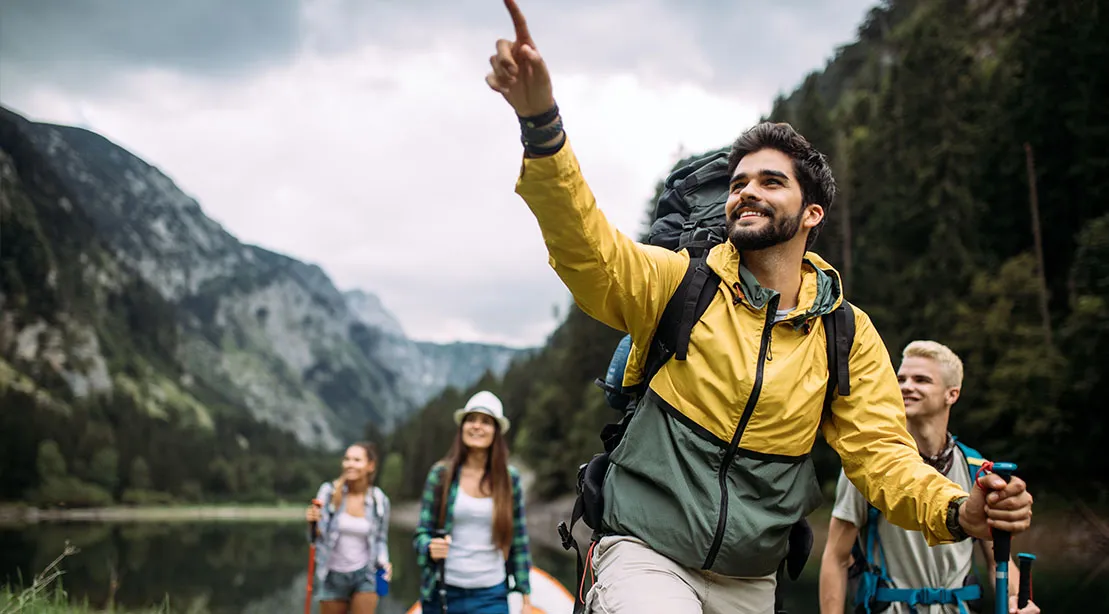
Adventure is more than a thrilling activity. It is a mindset, a lifestyle choice, and a continuous invitation to step beyond routine. The concept of adventure is often linked with mountains, oceans, and distant travel, but at a deeper level, it describes the willingness to explore the unknown, confront uncertainty, and allow personal growth to unfold in real time. The power of adventure lies in its ability to transform a person from within, helping them recognize their own resilience, creativity, and adaptability.
Adventure is often misunderstood as something only experienced while traveling to exotic locations or engaging in extreme sports. In reality, it can appear in everyday life through choices that require courage and curiosity. The meaning of adventure expands when viewed as a personal journey rather than an external event.
People who embrace adventure usually share a few characteristics:
- They are open to uncertainty
- They welcome change
- They learn from discomfort
- They look for new experiences rather than settling for routine
An adventurous life leads to a broader world view and a stronger identity. Instead of asking what might go wrong, the focus shifts to what might be learned.
Why Adventure Matters for Personal Growth
Stepping into adventure disrupts comfort in a useful way. Comfort zones are necessary for stability, however, growth rarely occurs inside them. Facing new environments or new challenges stimulates both the body and mind, enhancing self-trust and emotional resilience.
Building Confidence
Confidence develops when individuals prove to themselves that they can do hard or unfamiliar things. The first time someone hikes a steep trail or speaks to strangers in a new place, they realize their abilities extend further than they believed.
Enhancing Creativity
Novel environments and experiences stimulate creativity. When the mind encounters unfamiliar situations, it must problem-solve, adapt, and think differently. This mental flexibility enriches creative work, decision-making, and communication.
Increasing Resilience
Adventure teaches how to deal with setbacks and uncertainty. Weather changes, plans fall apart, routes become unclear, and unexpected obstacles appear. These moments teach persistence, patience, and emotional balance.
Types of Adventure
Adventure comes in many forms, each offering unique benefits. Some people are drawn to physical challenges, while others find meaning in cultural exploration or quiet journeys into nature.
Outdoor and Nature-Based Adventure
These involve physical interaction with natural environments. They help build physical wellness and emotional clarity.
Examples include:
- Hiking or backpacking through forests and mountains
- Rock climbing on natural cliffs or indoor climbing walls
- Kayaking or canoeing through lakes and rivers
- Cycling long-distance routes
- Camping under open skies
Spending time in nature also reduces stress and restores mental clarity, making outdoor adventure a powerful method for emotional wellness.
Cultural and Social Adventure
This type of adventure involves exploring different ways of life. It expands understanding and fosters empathy.
Examples include:
- Traveling to new regions or countries
- Learning new languages
- Trying unfamiliar foods or customs
- Attending cultural festivals or gatherings
- Engaging with people from different backgrounds
Cultural adventure is less about the environment and more about opening the heart to diverse human experiences.
Intellectual and Personal Adventure
Exploration does not always require travel. Many of the most profound adventures take place internally.
Examples include:
- Taking up new creative hobbies
- Studying complex subjects independently
- Developing emotional awareness
- Starting a business or new career path
- Challenging long-held personal beliefs
This form of adventure inspires self-discovery and long-term fulfillment.
The Psychology of Seeking Adventure
Humans are wired for exploration. Early civilizations thrived because people were willing to travel, discover, and adapt to new landscapes. While modern life often encourages routine and predictability, the drive for adventure remains deeply rooted.
Curiosity and the Brain
Research shows that curiosity activates the brain’s reward systems. When individuals encounter something new, dopamine is released, enhancing motivation and enjoyment. This neurological response explains why adventure can feel addictive in a positive way.
The Comfort Zone Cycle
Most people operate within three psychological zones:
- Comfort Zone where everything feels safe and familiar
- Stretch Zone where growth happens
- Panic Zone where fear blocks learning
Adventure encourages movement from the comfort zone into the stretch zone. The goal is not to overwhelm oneself, but to engage challenges that are meaningful and manageable.
How to Bring Adventure Into Daily Life
Adventure does not require huge amounts of money, travel, or free time. It simply requires intention and willingness to try something new.
Start Small
- Take a different route home
- Eat at new local restaurants
- Switch up weekend activities
- Explore local parks or trails
Develop a Learning Habit
- Pick up a foreign language app
- Read books outside your usual genre
- Try creating art even if you feel inexperienced
Change Your Environment
Even small changes in surroundings can stimulate curiosity and perspective.
Examples:
- Rearrange your living space
- Work from a cafe instead of home
- Visit local museums or historic sites
Say Yes More Often
Many opportunities for adventure appear unexpectedly. Accepting invitations and stepping into unfamiliar situations leads to meaningful stories and connections.
Planning and Preparing for Larger Adventures
For those who wish to take bigger steps, planning prevents unnecessary risks and enhances enjoyment.
Research and Preparation
- Learn about your destination or activity
- Study the environment and climate
- Understand necessary safety practices
Pack Smart
Essential items depend on the adventure, but common principles include:
- Multi-use clothing
- Reliable footwear
- Water and nutrition
- Navigation tools
- Basic first-aid supplies
Physical and Mental Readiness
Being honest about fitness levels and emotional expectations ensures a safe and rewarding experience.
The Role of Reflection in Adventure
Adventure gains meaning through reflection. After completing an experience, take time to think about:
- What was learned
- What was difficult
- What was surprising
- What could be tried next
Journaling, photography, or storytelling can deepen the emotional impact of each experience.
Common Obstacles That Prevent Adventure
Many people desire adventure but hesitate to pursue it. Recognizing these barriers helps overcome them.
Fear of Failure
People often worry about embarrassment or making mistakes. In adventure, mistakes are part of the learning process.
Time Constraints
Busy schedules can interfere, however, micro-adventures such as short evening walks or weekend day trips are accessible ways to begin.
Financial Concerns
Some adventures require resources, but local exploration, community events, and free outdoor spaces provide affordable options.
Social Pressure
Sometimes others expect predictability or routine. Standing by personal values helps cultivate a life that feels meaningful.
Real-Life Examples of Everyday Adventure
Consider how ordinary individuals incorporate adventure into life:
- A teacher who hikes new trails every weekend to reset mentally
- A retiree who takes up watercolor painting to explore creativity
- A college student who travels domestically to learn regional culture
- A parent who camps with their children to teach resilience
These examples demonstrate that adventure is a personal journey rather than a comparison.
FAQ About Adventure
How can someone start an adventurous lifestyle if they feel nervous or inexperienced?
Start with small, approachable activities that feel slightly challenging but not overwhelming. Gradually increase intensity as comfort grows.
Is adventure always physical?
No. Adventure can be intellectual, emotional, social, or creative. Any activity that stretches personal boundaries counts.
How can families bring adventure into everyday life?
Families can plan weekly nature walks, cook meals from different cultures, try new games, or learn skills together such as fishing, gardening, or cycling.
Does adventure need to be spontaneous?
Not always. Many impactful adventures are carefully planned. A balance of preparation and openness allows the experience to unfold naturally.
What is the most important mindset for living an adventurous life?
Curiosity. When curiosity remains strong, fear loses power and growth becomes possible.
Adventure strengthens the human spirit, broadens understanding, and inspires continuous self-discovery. Whether found in mountains, new cultures, creative projects, or inner reflection, it enriches life with meaning and possibility.
