
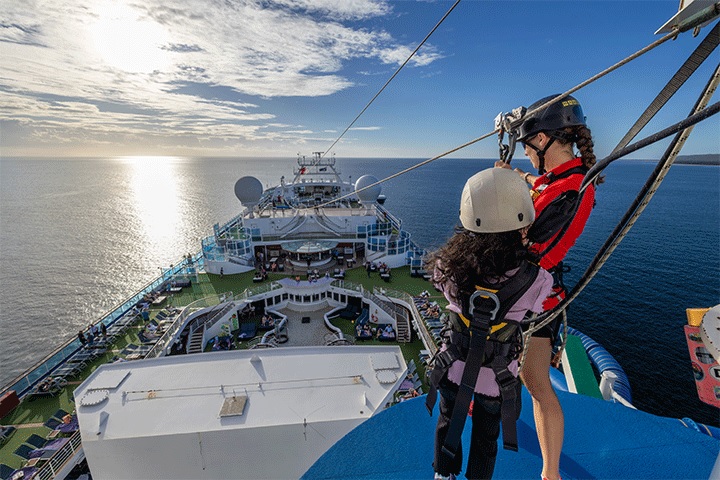
Say the word “cruise” to most people and they’ll picture a floating city — thousands of passengers, a rotating buffet, and a schedule built around casinos and stage shows. So when someone mentions an adventure cruise for the first time, the reaction is often confusion. Isn’t that a contradiction in terms?
It isn’t, and the distinction matters more than it might seem. An adventure cruise strips away almost everything associated with conventional cruising and replaces it with something closer to a small-scale expedition: fewer guests, wilder destinations, and days built around exploration rather than entertainment. For travellers who’ve always found the idea of a cruise appealing but the reality underwhelming, it’s worth understanding exactly what sets this style of travel apart.
Adventure Cruise vs Traditional Cruise: What’s Actually Different?
The differences start with scale. A conventional cruise ship might carry anywhere from 2,000 to over 6,000 passengers; an adventure cruise typically carries somewhere between a dozen and a few dozen. That single number changes everything downstream of it — the size of vessel needed, the ports it can access, and the kind of experience on offer once you’re there.
Traditional cruising is built around the ship itself as the destination: pools, theatres, endless dining options. Adventure cruising flips that logic entirely. The vessel becomes a means of reaching places a bus, car, or larger ship simply can’t — shallow estuaries, remote reef systems, uninhabited coastline — with the actual experience happening off the boat, on foot, in the water, or in the air.
There’s also a difference in pace. Big-ship itineraries often mean a few rushed hours in port before returning for dinner. Adventure cruises tend to spend entire days, sometimes multiple days, in a single remote area, allowing for a depth of exploration that a packed multi-port schedule simply can’t match.
The Kind of Traveller Who Loves an Adventure Cruise
Adventure cruising tends to attract a particular mindset rather than a particular age bracket, though it does skew toward travellers with the time and means to prioritise experience over convenience. Retirees and empty-nesters make up a large share of the market, drawn by the combination of genuine comfort and physical activity. Solo travellers are increasingly common too, often reassured by the built-in social structure of a small group and the safety of expert guides in remote settings.
What unites almost everyone who chooses this style of travel is a preference for participation over observation. These are travellers who’d rather catch their own dinner than order it from a menu, and who measure a good holiday by what they experienced rather than how many pools were on deck.
What a Typical Adventure Cruise Itinerary Includes
No two operators run identical itineraries, but most adventure cruises share a similar rhythm: an early excursion (a hike, a dive, a wildlife encounter), a relaxed midday period back on board, and a second activity in the afternoon before dinner. Days are often built around a single dramatic destination — a reef system, a gorge, a remote island chain — rather than a list of ports to tick off.
A closer look at the range of adventure cruise itineraries currently on offer shows just how varied this style of travel has become, spanning everything from short coastal escapes to multi-week expeditions through some of the most remote coastline in the country.
Small Ships, Big Access
The defining technical feature of adventure cruising is draft — how much water a vessel needs beneath it to operate safely. Large cruise ships need deep, dredged ports and can only ever anchor offshore from most wild coastline. Adventure vessels are purpose-built with a shallow draft, often paired with tenders or even onboard helicopters, allowing them to nose into estuaries, coral lagoons, and anchorages that remain completely inaccessible to anything bigger. This is the mechanical reason adventure cruises can reach places conventional cruising never will.
Common Misconceptions About Adventure Cruising
The biggest myth is that “adventure” means roughing it. In practice, most adventure cruise vessels are surprisingly comfortable, with proper cabins, en-suite bathrooms, and kitchens turning out restaurant-quality meals from local produce. The adventure is in the destinations and activities, not the accommodation.
Another common assumption is that this style of travel is only for the extremely fit or the extremely young. In reality, excursions are usually offered at multiple intensity levels, and guides are experienced at adapting activities to suit a mixed group. The common thread isn’t fitness — it’s curiosity.
How to Choose Your First Adventure Cruise
For anyone considering their first adventure cruise, a few questions help narrow the field quickly. How many guests does the vessel carry — and does that match the level of intimacy you’re after? How much of each day is spent actually exploring, versus travelling between points? And does the itinerary match the kind of activity you actually enjoy, whether that’s diving, wildlife, hiking, or a mix of all three?
Comparing a handful of Australian operators side by side is a useful starting point, since itinerary length, guest numbers, and destination focus can vary enormously even within what’s broadly marketed as the same category of holiday.
Is an Adventure Cruise Right for You?
If the idea of a cruise has always appealed but the reality has felt too passive, adventure cruising is worth serious consideration. It keeps the parts of cruising that genuinely work — someone else handling the logistics, waking up somewhere new, a comfortable bed at the end of an active day — while replacing the parts that don’t with real exploration.
The Environmental Side of Adventure Cruising
Because adventure cruising depends entirely on pristine, undisturbed environments, most operators in this space have a direct commercial incentive to protect them — a reef that’s been damaged or a wilderness area that’s been overrun doesn’t attract repeat business. That said, it’s worth doing some homework before booking. Look for operators who work with accredited guides, follow marine park regulations around wildlife distance and anchoring, and can clearly explain what they do to minimise their footprint in the areas they visit.
Small guest numbers help here too, almost by definition. A dozen or so visitors walking a fragile coastal trail leave a very different footprint to several hundred disembarking from a larger vessel, which is one of the quieter but genuinely meaningful benefits of this style of travel.
Budgeting for an Adventure Cruise
Adventure cruises generally sit at a higher price point per night than mass-market cruising, and it’s worth understanding why before comparing the two on cost alone. Smaller guest numbers mean costs are spread across far fewer people, specialist guides and equipment (including, on some vessels, onboard helicopters or dive gear) add to operating expenses, and the remote nature of many destinations means higher fuel and logistics costs than a ship running a fixed coastal route between major ports.
Most itineraries bundle meals, excursions, and often alcohol into the headline price, which makes the final cost more predictable than it might first appear. When comparing quotes, it’s worth checking exactly what’s included rather than judging purely on the nightly rate, since inclusions vary considerably between operators.
How Adventure Cruising Fits Into a Broader Travel Life
For a lot of travellers, adventure cruising doesn’t replace other kinds of holidays so much as sit alongside them. It’s common to hear from guests who still enjoy a conventional beach resort for a low-key family break, but specifically seek out adventure cruising when they want a trip that feels genuinely memorable — the kind of holiday people still talk about years later, rather than one that blurs into every other beach holiday that came before it.
There’s also a natural progression a lot of people follow: a short, accessible adventure cruise close to home first, building confidence and getting a feel for the pace and style of travel, before committing to something longer or more remote. Treating it as a spectrum rather than an all-or-nothing decision tends to lead to a much better first experience.
The Gear and Skills You Don’t Actually Need
It’s worth dispelling one more myth before wrapping up: adventure cruising doesn’t require any particular skill set or specialist gear to enjoy. You don’t need diving certification, advanced fitness, or prior sailing experience. Crew and guides are there specifically to manage the technical and safety side of every activity, and excursions are typically offered at multiple levels so guests can opt in or out based on their own comfort and ability.
Beyond weather-appropriate clothing, comfortable shoes, and basic sun protection, most of what people assume they need to buy before their first adventure cruise turns out to be entirely optional. The barrier to entry is lower than the “adventure” label suggests.
Adventure Cruising and Broader Travel Trends
The rise of adventure cruising sits within a wider shift in how people choose to travel. Across almost every category of holiday, there’s a measurable move away from passive, observation-based tourism toward active, participatory experiences — travellers increasingly want to say they did something, not just that they saw something. Cooking classes replacing restaurant tours, guided hikes replacing bus sightseeing, and adventure cruising replacing conventional cruising are all variations on the same underlying preference.
This shift also reflects a generation of travellers who’ve often already done the “highlight reel” version of travel — the major cities, the famous landmarks — and are now looking for experiences that feel less replicable, less crowded, and more personally meaningful. Adventure cruising, by its nature, delivers exactly that: a destination and a form of access that most people simply haven’t experienced before.
Frequently Overlooked Details Worth Checking
A few practical details tend to get missed in the excitement of booking. Cabin configuration matters more than people expect — some vessels offer twin-share as standard with single supplements for solo travellers, while others have dedicated single cabins at no extra cost, which can make a meaningful difference to overall trip cost. It’s also worth confirming how excursions are allocated when group numbers are limited for a particular activity, since popular options like diving or fishing sometimes run on a rotating or first-come basis rather than being available to every guest simultaneously.
Cancellation flexibility deserves a closer look too, particularly for itineraries in cyclone-prone regions during shoulder-season months, where weather can occasionally affect scheduling. Understanding the rebooking or refund policy upfront avoids any unpleasant surprises if conditions change closer to departure.
Final Thoughts
An adventure cruise isn’t a smaller, quieter version of a traditional cruise holiday — it’s a fundamentally different kind of travel wearing a familiar name. For those drawn to remote landscapes, genuine wildlife encounters, and days built around discovery rather than entertainment, it offers something conventional cruising simply can’t: the sense of having actually been somewhere, rather than just having passed through.
