
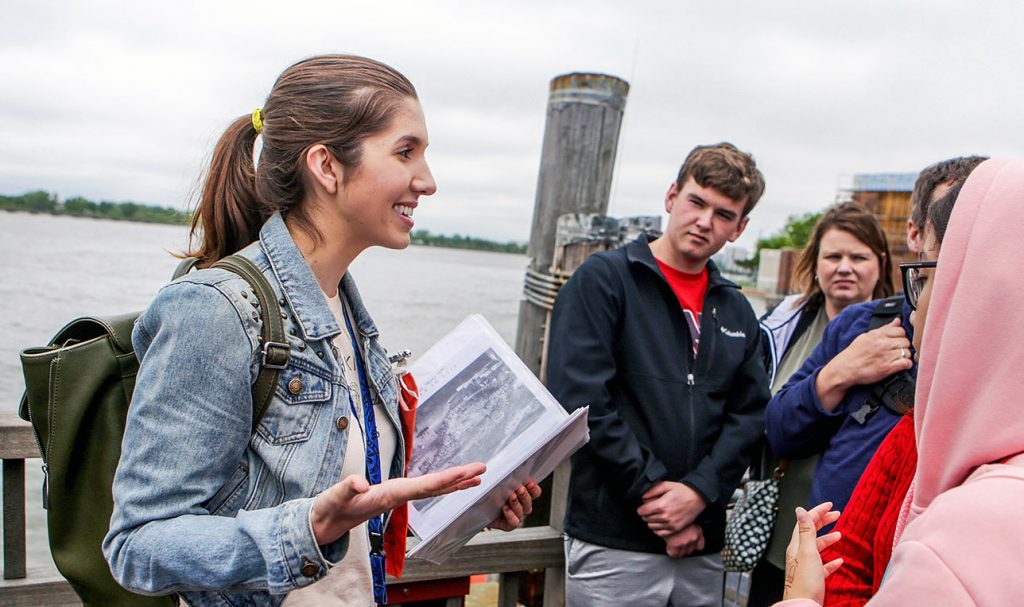
A Tour Guide plays a crucial role in shaping how travelers experience destinations. Whether exploring historic cities, nature reserves, cultural heritage sites, or modern attractions, the guide influences what visitors learn, how they feel, and the memories they take home. This role requires more than just delivering facts. It blends communication, storytelling, hospitality, logistical planning, and emotional awareness.
A Tour Guide bridges the gap between travelers and the places they visit. They help people understand the culture, navigate unfamiliar surroundings, interact with locals respectfully, and experience the location in deeper and more meaningful ways. Understanding the role from the inside reveals just how impactful and dynamic the profession can be.
Understanding the Role of a Tour Guide
A tour guide’s responsibilities extend far beyond simply leading groups. The job combines several key elements:
- Educating travelers about the destination’s history, culture, and significance
- Ensuring each participant feels included, respected, and engaged
- Managing time and logistics to avoid delays or confusion
- Maintaining safety and awareness of group dynamics
- Helping travelers connect emotionally and intellectually with the experience
The most successful guides are natural observers who understand when a group is tired, curious, bored, excited, or overwhelmed. They read the room, adjust the pace, and know when to share a story or simply enjoy the atmosphere in silence.
Core Skills Needed to Excel as a Tour Guide
1. Strong Communication and Storytelling
Clear, confident speaking is essential, but great tour guiding is more than projecting your voice. The goal is to transform facts into memorable narratives.
Effective storytelling might include:
- Context that explains why something matters
- Emotional or human-centered stories
- Humor used appropriately to lighten moments
- Vivid descriptions that help listeners visualize events
Instead of stating dates and names, guides create imagery and emotional understanding.
2. Cultural Knowledge and Sensitivity
A valuable guide respects the cultural environment they represent. This includes acknowledging historical perspectives carefully and ensuring travelers understand local customs. A lack of sensitivity can lead to misunderstandings or disrespectful behavior.
Ways guides show cultural respect:
- Using accurate and verified historical information
- Explaining etiquette before entering sacred or sensitive spaces
- Encouraging mindful photography and interaction with locals
3. Leadership and Group Management
A group may include people of different ages, backgrounds, abilities, and interests. Managing group energy is a silent art.
Key approaches:
- Clear instructions before transitions
- Establishing meeting points and time expectations
- Remaining calm and confident under pressure
- Using inclusive language to build unity
4. Problem-Solving in Real Time
Unexpected situations occur frequently:
- Weather disruptions
- Delayed transportation
- Lost items
- Health concerns
A skilled guide addresses challenges quickly without alarming the group. The best solutions feel seamless, and tourists rarely realize a problem occurred.
5. Language Skills
Fluency in multiple languages increases job opportunities. Even basic language skills help form trust with local communities and assist travelers.
Planning and Preparing a Tour
Guides must thoroughly research and plan, even if the route is familiar.
Research and Familiarity with the Route
This includes knowing:
- Travel time between stops
- Best viewpoints and safe walking paths
- Hidden or lesser-known details that add value
Walking the route multiple times helps identify natural pacing.
Creating a Narrative Arc
A great tour feels like a story. The beginning welcomes and introduces themes, the middle deepens understanding, and the end concludes with reflection.
Building Flexibility Into the Schedule
No two groups react the same way. The schedule should be adaptable.
Examples of flexible adjustments:
- Adding a rest break if the group is tired
- Spending more time at a site that sparks interest
- Switching to indoor spaces during sudden weather changes
Creating Memorable Experiences for Travelers
Encourage Interaction
Ask open-ended questions:
- What surprised you about this place?
- What do you notice about the architecture?
- How does this compare to your hometown?
This shifts the experience from passive listening to active participation.
Use Sensory Experiences
Travel is multi-sensory. Mention smells, sounds, textures, and movement.
Examples:
- The echo of footsteps in an ancient cathedral
- The scent of spices at an outdoor market
- The coolness of stone walls in historic buildings
Provide Hidden Local Gems
Visitors appreciate unique recommendations:
- Local cafes
- Bookshops
- Scenic viewpoints
- Traditional artisans
This adds authenticity and supports the local community.
Working with Diverse Traveler Groups
Groups may include:
- Families with children
- Retirees with mobility considerations
- Solo travelers seeking conversation
- People with different cultural expectations
Adapting to Needs
The guide should:
- Speak at a pace all can follow
- Offer seating opportunities when available
- Check in discreetly with quieter group members
Understanding body language is essential.
Safety and Responsibility
Guides must prioritize safety while fostering enjoyment.
Essential Safety Practices:
- Review basic emergency procedures before starting the tour
- Carry a first-aid kit or know where assistance is available
- Identify safe paths and avoid risk-prone shortcuts
- Know how to de-escalate tense situations calmly
Building a Professional Career as a Tour Guide
Formal Training and Certification
Many regions require certification or licensing. Even where it is optional, training improves professionalism and credibility.
Continuous Learning
History, culture, and traveler expectations change over time. Guides should refresh their knowledge regularly.
Networking and Local Engagement
Staying connected within the travel industry provides access to:
- Job opportunities
- Local updates
- Tourism collaboration projects
Digital Presence
Travelers often look for guides online. A portfolio of photos, reviews, and sample tour descriptions can help attract clients.
Common Mistakes New Guides Make
Avoid these pitfalls:
- Rushing through sites without allowing reflection
- Speaking in a monotone voice or without narrative structure
- Overloading travelers with too much information
- Ignoring non-verbal feedback from the group
- Treating every group the same instead of customizing
FAQ
What is the difference between a Tour Guide and a Tour Leader?
A Tour Guide focuses on explaining historical and cultural information about specific locations. A Tour Leader manages travel logistics over a longer journey that may include multiple destinations. Some professionals perform both roles, but the core responsibilities differ.
How long does it take to become a confident Tour Guide?
While basic training may take a few weeks or months, mastering group engagement and storytelling comes with experience. Many guides feel significantly more skilled after leading tours for one full travel season.
How can a guide handle difficult or disruptive travelers?
Remain calm, avoid confrontation, and redirect group attention. If possible, have a brief private conversation to clarify expectations. Most disruptions can be resolved through respectful communication.
Should a guide memorize scripts?
Scripts are helpful for preparing core information. However, guides should speak naturally, respond to the group’s energy, and adjust based on interest level. Conversations should never sound rehearsed.
What items should every guide carry during a tour?
Useful items include:
- Water and basic first-aid supplies
- A mobile phone with local emergency numbers
- Extra pens and paper for notes or instructions
- Weather-appropriate accessories such as sunscreen or rain covers
